

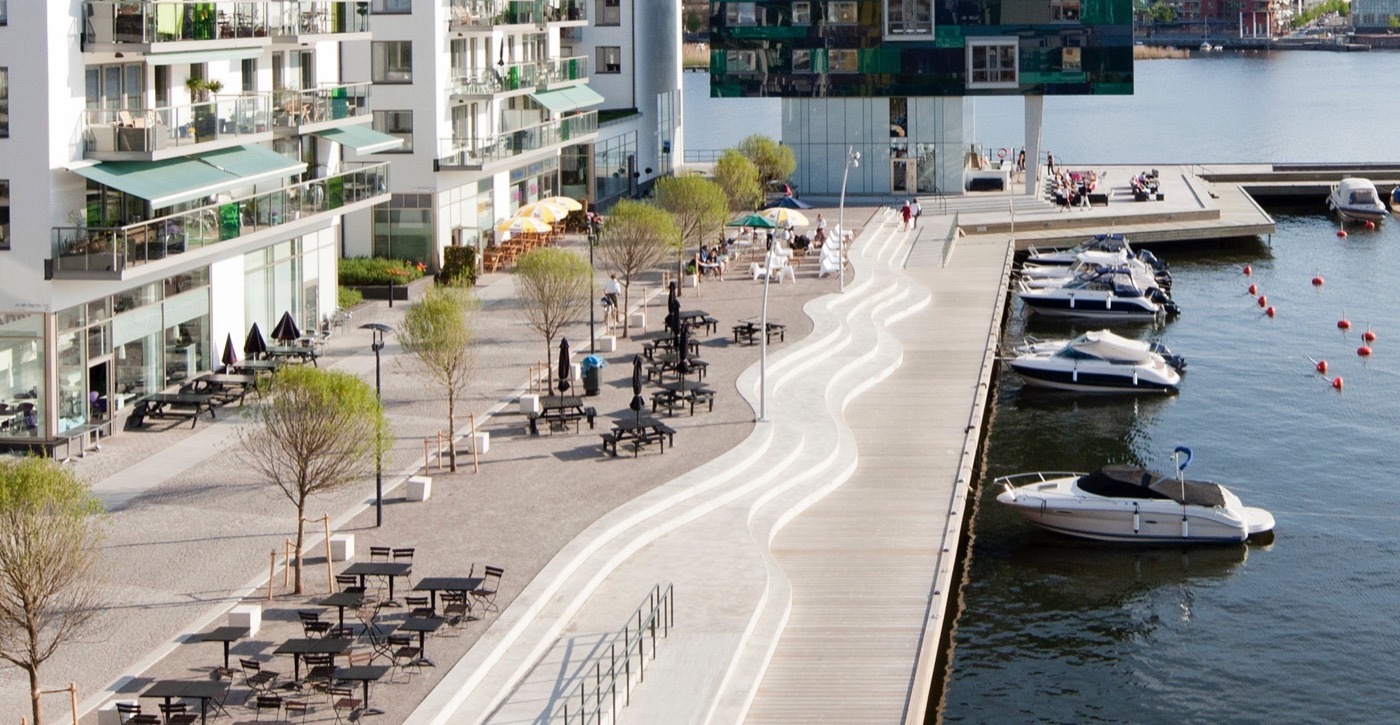
Urban waterfront living has become a sought-after lifestyle, merging the tranquility of water with the conveniences of city life. With the rise of thoughtfully designed communities, many residents can now enjoy the serene views and calming effects of proximity to water while staying connected to urban amenities. Among the many appealing options are Waterfront Apartments in Seattle for rent, which exemplify this desirable blend of natural beauty and metropolitan convenience.
Contemporary urban design increasingly recognizes the role that the environment plays in holistic well-being. People are increasingly drawn to waterfront residences, not only for the visual pleasures but also for the lifestyle and wellness improvements that come with living by the water. With health and well-being at the forefront of modern living, urban waterfront communities continue to innovate to meet residents’ evolving needs.
In city waterfront neighborhoods, residents discover a lifestyle that balances physical activity, relaxation, and social engagement. These urban areas prioritize sustainable living, walkability, communal amenities, and cultural programming, resulting in vibrant communities where residents thrive in both body and mind.
This article explores the key benefits and features of urban waterfront living, highlighting why these developments set the standard for healthy and fulfilling urban lifestyles.
Wellness Benefits of Waterfront Living
Lakeline Station apartments in North Austin for rent Living beside water can dramatically influence physical and mental health. The soothing effect of flowing water and unobstructed vistas reduces stress and anxiety, promoting a sense of calm and relaxation uncommon in denser urban environments. Many studies highlight how proximity to natural water sources can elevate mood, boost cognitive performance, and lower blood pressure. The phenomenon sometimes called “blue mind” describes the meditative state people achieve near water, helping them combat daily urban stressors.
Urban waterfront communities encourage outdoor activities such as jogging, cycling, paddleboarding, and kayaking. These spaces support physical activity by offering pedestrian paths, parks, and waterfront trails, contributing to healthier lifestyles for residents of all ages. Access to nature combined with the opportunity for movement naturally supports holistic wellness.
Enhanced Connectivity and Accessibility
Waterfront neighborhoods are often designed with connectivity in mind, making travel between residential, commercial, and recreational spaces seamless. Developments in major urban areas are prioritizing pedestrian walkways, cycling routes, and public transport linking adjacent neighborhoods. When everything from shopping and dining to parks and entertainment is within walking distance, the result is a thriving, self-sufficient community that reduces reliance on personal vehicles.
This connected design not only builds healthier communities by encouraging walking and public engagement but also offers environmental benefits, including reduced emissions and traffic congestion. Enhanced accessibility means greater convenience, especially for families and young professionals seeking to maximize their lifestyles within vibrant waterfront districts. As The New York Times outlines, revitalized waterfronts are redefining urban life by fostering accessibility through integrated infrastructure.
Modern Amenities in Waterfront Residences
Contemporary waterfront living spaces set themselves apart with amenities designed to address physical, mental, and social needs. Among these are luxurious wellness centers, spas, and state-of-the-art gyms, offering residents diverse ways to stay healthy without leaving home. Many complexes include yoga studios, meditation rooms, and swimming pools—spaces crafted to encourage relaxation and self-care.
- State-of-the-Art Fitness Centers: Advanced equipment and on-site exercise classes cater to various fitness levels and interests.
- Wellness Facilities: Spas and relaxation lounges help residents decompress and maintain a balanced lifestyle.
- Smart Home Technology: Integrated environmental controls and security systems enhance resident comfort and safety while promoting energy efficiency.
- Community Spaces: Shared rooftop terraces, co-working lounges, and garden areas foster community interaction, creativity, and work-life balance.
Innovative communities, including renowned projects such as The Brookwood in Atlanta, underscore the growing emphasis on wellness-focused environments that integrate energy efficiency with resident-centric amenities.
Sustainability and Environmental Considerations
As environmental awareness becomes a cornerstone of urban design, waterfront developments increasingly implement sustainable building practices. This includes using recycled construction materials, installing green roofs, and adopting energy-efficient systems for heating, cooling, and lighting. Landscaping with native species not only supports local ecosystems but also reduces water consumption and maintenance needs.
Many waterfront communities also prioritize stormwater management and water conservation, helping to protect fragile aquatic environments while fostering biodiversity. By blending infrastructure with natural features like wetlands and marshlands, these communities both mitigate flooding risks and create attractive green spaces for residents. According to Architectural Digest, integrating sustainability measures is now fundamental for long-term waterfront success and resident satisfaction.
Community and Cultural Enrichment
Beyond individual well-being, living by the water introduces residents to a dynamic cultural and social environment. Waterfront districts frequently host open-air festivals, local art exhibitions, artisan markets, and performances, making cultural participation easy and accessible for all. Residents benefit from communal events that build neighborhood spirit and individual connections.
Large-scale waterfront developments, such as Water Street Tampa, deliberately weave public art, outdoor installations, and active programming into daily life, creating a culturally rich atmosphere. These vibrant hubs support creative expression and lifelong learning while fostering a true sense of belonging for residents and visitors alike.
Conclusion
Urban waterfront living brings together nature, convenience, wellness, and culture, offering a comprehensive urban lifestyle that appeals to a broad spectrum of city dwellers. With state-of-the-art amenities, eco-conscious design, and ample opportunities for community engagement, waterfront neighborhoods stand at the forefront of tomorrow’s urban living, setting new benchmarks for both health and happiness in city life.