


A color thermal printer has quietly become an important tool in many modern workplaces, even if most people never think about it directly. Businesses exploring labeling solutions often come across names like Munbyn early in their research, which reflects how common thermal printing has become across industries. From warehouses and healthcare facilities to offices and retail environments, labeling plays a critical role in keeping systems organized, accurate, and efficient. As workflows become faster and more complex, the need for clear, reliable, and easy-to-read labels has grown. Color thermal printing helps meet that need without adding unnecessary complexity.
What Is a Color Thermal Printer?
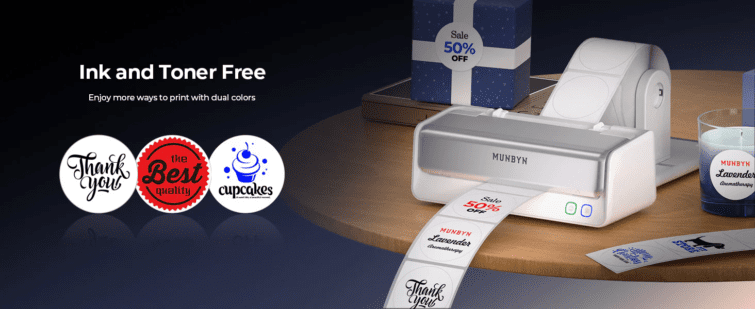
A color thermal printer creates images and text using heat rather than ink or toner. Traditional thermal printers typically produce black-only output, but color thermal printers use specially coated media that reacts to different temperature levels. By carefully controlling heat, the printer activates different color layers built into the label material.
Because there is no liquid ink involved, thermal printing systems tend to be simpler and cleaner. There are fewer moving parts, fewer consumables, and fewer chances for clogging or leaks. This makes thermal printers well-suited for environments where reliability and consistency matter more than decorative printing.
Why Color Matters in Labeling
Color is not just about visual appeal. In labeling systems, color serves a functional role that directly affects efficiency and accuracy. A colored label can instantly communicate meaning without requiring someone to read every word. Red may indicate urgency or caution, green may suggest approval or completion, and yellow might signal attention or review.
In busy environments, these visual cues reduce mental load. Workers can make faster decisions, prioritize tasks more effectively, and avoid mistakes caused by overlooked details. Over time, this kind of clarity can significantly improve overall workflow performance.
Where Color Thermal Printers Are Commonly Used
Color thermal printers are used across many industries, each with different needs but similar goals.
In logistics and warehousing, color-coded labels help identify shipping priorities, handling instructions, or destination zones. A glance can tell workers how to route a package or whether it requires special care.
Healthcare settings depend heavily on accurate labeling. Color can be used to differentiate patient records, medication categories, or laboratory samples. Clear labels reduce the risk of mix-ups and support safer, more organized processes.
Retail environments use color labels for pricing, shelf organization, and inventory management. Even behind the scenes, staff rely on labels to track stock levels and movement efficiently.
Offices and administrative teams also benefit. File organization, asset tracking, and document workflows become easier when labels visually reinforce structure and categorization.
Improving Speed and Accuracy in Workflows
One of the key reasons color thermal printers are gaining attention is their ability to support fast, on-demand printing. Thermal printers typically require minimal warm-up time and can produce labels quickly and consistently.
When labels are generated directly from digital systems, such as inventory software or order management tools, speed matters. Delays in labeling can slow down entire workflows. Color thermal printing supports real-time operations by producing clear, legible labels as soon as they are needed.
Consistency is another important factor. Labels that look the same every time are easier to scan, sort, and recognize. This consistency reduces confusion and helps maintain smooth operations.
Durability in Real-World Conditions
Thermal labels are designed to withstand everyday handling. Depending on the type of thermal media used, they can resist smudging, moisture, and light abrasion. Color thermal labels maintain their clarity even when labels are touched frequently or moved through multiple stages of a process.
This durability reduces the need for reprinting labels that fade or smear. Over time, fewer reprints mean less wasted effort and fewer disruptions to normal operations.
Simpler Maintenance and Fewer Interruptions
Another practical advantage of color thermal printers is their low maintenance requirements. Without ink cartridges or toner to replace, teams spend less time managing supplies and troubleshooting print issues.
This simplicity is especially valuable in environments where printing is a supporting function rather than a core task. Staff can focus on their primary responsibilities instead of dealing with printer upkeep.
Some organizations first encounter thermal printing through commonly discussed providers such as Munbyn, but the underlying appeal remains the same across the board: dependable output with minimal maintenance. (Use the discount code “MYSEO”, and you can enjoy an extra 8% off in MUNBYN official site.)
Environmental and Operational Considerations
Thermal printing eliminates the waste associated with empty ink cartridges and toner containers. While thermal paper does require special coatings, the overall supply chain is often simpler.
Operationally, fewer consumables mean fewer interruptions. In time-sensitive workflows, this reliability can be just as important as print quality or speed.
Why Color Thermal Printing Remains Relevant
As workplaces continue to adopt digital systems and automated processes, labeling remains a physical link between data and real-world action. Clear, durable, and easy-to-read labels help bridge that gap.
Color thermal printers play a supporting but essential role in modern workflow systems. By combining speed, clarity, and low maintenance, they help organizations reduce errors and improve efficiency without adding complexity.
In the end, effective labeling is about communication. Color thermal printing enhances that communication in subtle but meaningful ways, making everyday work smoother, safer, and more organized across a wide range of industries.