


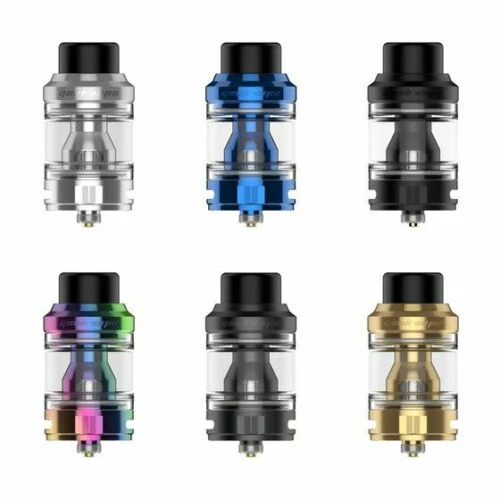
Vape tanks are an essential component of any vaping setup, acting as the reservoir that holds your e-liquid and houses the coil, which heats the liquid to create vapor. With a wide variety of tanks on the market, each designed for different vaping styles and preferences, choosing the right one can be overwhelming. This guide will break down everything you need to know about vape tanks, from the different types available to tips for maintenance and choosing the right tank for your needs.
Comprehending Vape Tanks: Fundamentals
Before diving into the different types of vape tanks, it’s important to understand their basic components and how they work.
Essential Elements of a Vape Tank:
- Tank Section: This is the reservoir that holds the e-liquid. It’s usually made of glass or plastic and can vary in capacity, depending on the tank’s design.
- Coil: The coil, or atomizer head, is the heating element that vaporizes the e-liquid. Coils come in various resistances, which can affect vapor production, flavor, and the overall vaping experience.
- Drip Tip: The mouthpiece that you use to inhale the vapor is called a drip tip. Drip tips can be made from various materials, including plastic, metal, and resin, and come in different shapes and sizes.
- Base: The bottom part of the tank that connects to the vape mod. It often includes adjustable airflow, which allows you to control the amount of air that mixes with the vapor.
How Vape Tanks Work:
When you press the fire button on your vape device, power is sent to the coil in the tank. The coil heats up, vaporizing the e-liquid in contact with it. The vapor then travels through the chimney and out of the drip tip, allowing you to inhale it. The process is simple but can vary slightly depending on the type of tank you’re using.
Types of Vape Tanks:
Vape tanks come in several varieties, each catering to different vaping styles, whether you prefer a mouth-to-lung (MTL) experience similar to smoking or a direct-to-lung (DTL) approach for massive clouds.
1. Sub-Ohm Tanks:
Sub-ohm tanks are designed for cloud chasers and those who enjoy a direct-to-lung vaping style. They use coils with a resistance of less than 1 ohm, which allows for higher wattages and, consequently, more vapor production. Sub-ohm tanks typically have larger airflow slots to accommodate the increased vapor output.
- Advantages: High vapor production, intense flavor, and the ability to use high VG e-liquids.
- Disadvantages: High e-liquid consumption and battery drain, less discreet due to large clouds.
2. MTL (Mouth-to-Lung) Tanks:
MTL tanks are designed to mimic the draw of a traditional cigarette, making them a popular choice for new vapers and those transitioning from smoking. These tanks have tighter airflow and use higher resistance coils, which work well with higher nicotine levels and lower wattages.
- Advantages: Lower e-liquid consumption, discreet vapor production, suitable for higher nicotine e-liquids.
- Disadvantages: Less vapor production, not ideal for cloud chasing.
3. Tank Atomizers that can be rebuilt (RTAs):
- Disadvantages: Steeper learning curve, time-consuming to build and maintain.
4. RDAs, or rebuildable dripping atomizers:
RDAs are not technically tanks, as they don’t have a reservoir for e-liquid.Rather, consumers just pour e-liquid straight onto the coils. This design is popular among vapers who prioritize flavor and the ability to quickly change between different e-liquids. RDAs are typically used by experienced vapers who enjoy building their own coils.
- Advantages: Exceptional flavor, easy to switch e-liquids, great for testing new flavors.
- Disadvantages: Constant re-dripping required, not ideal for on-the-go vaping.
5. Atomizers for Rebuildable Dripping Tanks (RDTAs):
RDTAs combine elements of both RTAs and RDAs. They feature a tank section like an RTA but also allow for dripping like an RDA. This hybrid design offers the best of both worlds, providing a reservoir for e-liquid while still allowing for the direct dripping experience.
- Advantages: Versatility, good flavor, and vapor production, less frequent re-dripping compared to RDAs.
- Disadvantages: Can be more complex to build and maintain, larger in size compared to other tanks.
Selecting the Proper Vape Tank:
Selecting the right vape tank depends on your personal preferences and vaping style. Here are some things to think about:
1. Vaping Style:
Determine whether you prefer mouth-to-lung or direct-to-lung vaping. MTL tanks are ideal for those looking for a cigarette-like experience with higher nicotine, while sub-ohm tanks are better suited for cloud chasers.
2. E-Liquid Preferences:
If you enjoy high VG e-liquids, choose a sub-ohm tank, as it’s designed to handle thicker liquids. For those who prefer high nicotine or nicotine salts, opt for an MTL tank with higher resistance coils.
3. Ease of Use:
Consider how much time you’re willing to spend on maintenance. If you prefer a simple, hassle-free experience, stick to tanks with pre-made coils. If you enjoy tinkering and customizing your vape, an RTA or RDTA might be more up your alley.
4. Portability:
If you need a tank that’s easy to carry around and use throughout the day, look for something with a smaller size and a moderate e-liquid capacity. Larger tanks and RDAs might offer better performance but can be cumbersome for on-the-go use.
Maintenance Tips for Vape Tanks:
Proper maintenance of your vape tank is essential for ensuring a great vaping experience and extending the life of your coils.
1. Regular Cleaning of vape tanks:
To prevent residue build-up and maintain flavor, clean your tank regularly. Disassemble the tank, rinse all parts (except the coil) under warm water, and let them air dry completely before reassembling.
2. Replacing Coils:
You need to replace coils regularly to maintain flavor and vapor production. Regularly changing your coils ensures you enjoy a consistent vaping experience. When you replace worn-out coils, you prevent burnt tastes and boost vapor output. Make it a habit to monitor and change your coils for the best vaping experience!Signs that it’s time to change your coil include a burnt taste, decreased vapor production, or leaking.
3. Avoid Overfilling of vape tanks:
When refilling your tank, avoid overfilling, as this can lead to leaks and gurgling. Leave a small air pocket at the top of the tank to prevent these issues.
4. Check for Leaks of vape tanks:
Regularly check your tank for leaks. Check that all O-rings are in good condition and tighten the tank properly to prevent e-liquid from seeping out.
Vape tanks are a critical component of your vaping setup, and choosing the right one can greatly enhance your vaping experience. Whether you’re a cloud chaser looking for massive vapor production, a flavor chaser wanting the best possible taste, or a former smoker seeking a cigarette-like experience, there’s a vape tank out there for you. By understanding the different types of vape tanks and considering your personal preferences, you can find the perfect tank to suit your needs. Don’t forget to maintain your tank regularly to ensure the best performance and longevity. Happy vaping!