


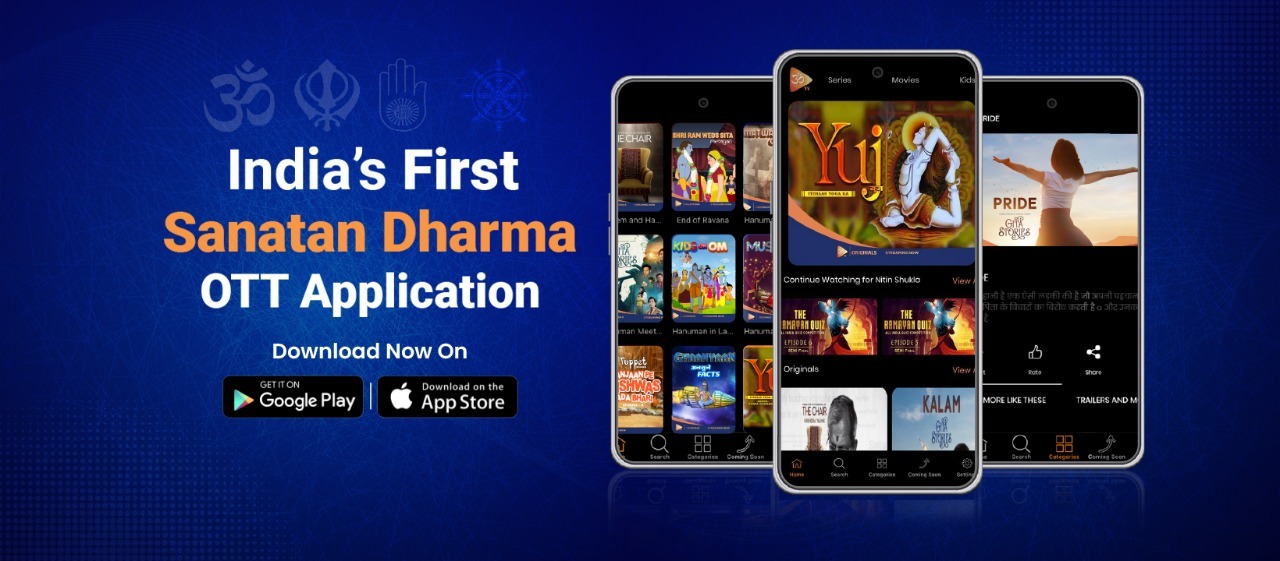
Classical Hinduism is one of the oldest and most profound spiritual traditions in the world. It has shaped the cultural and spiritual landscape of India and continues to influence millions of people around the globe. In this blog, we will explore the key concepts of classical Hinduism and how platforms like omtvlive help people understand and connect with this ancient wisdom.
What is Classical Hinduism?
Classical Hinduism refers to the religious and philosophical traditions that emerged in ancient India, particularly during the Vedic and post-Vedic periods. This period is characterized by the development of key texts, rituals, and practices that form the foundation of Hindu thought and culture.
Key Concepts of Classical Hinduism
- Vedas: The Vedas are the oldest sacred texts of Hinduism, composed in Sanskrit. They consist of four main collections: Rigveda, Yajurveda, Samaveda, and Atharvaveda. The Vedas contain hymns, prayers, and rituals that are central to classical Hinduism.
- Upanishads: The Upanishads are philosophical texts that explore the deeper meanings of the Vedas. They discuss concepts such as the nature of reality, the self (Atman), and the ultimate reality (Brahman).
- Dharma: Dharma refers to the moral and ethical duties and responsibilities that each person has. It is about living a life in harmony with the natural order and fulfilling one’s role in society.
- Karma: Karma is the law of cause and effect. It teaches that every action has consequences, and our current circumstances are the result of our past actions. Understanding karma encourages ethical and responsible behavior.
- Moksha: Moksha is the ultimate goal of classical Hinduism. It signifies liberation from the cycle of birth and death (samsara) and achieving union with the divine. This state is attained through self-realization and spiritual knowledge.
- Atman and Brahman: Atman refers to the individual soul or self, while Brahman is the ultimate reality or universal spirit. Classical Hinduism teaches that realizing the oneness of Atman and Brahman is key to achieving moksha.
Practices in Classical Hinduism
Classical Hinduism encompasses a wide range of practices and rituals that help individuals connect with the divine and attain spiritual growth. Here are some common practices:
- Yoga and Meditation: These practices are central to classical Hinduism. They help individuals achieve physical, mental, and spiritual well-being.
- Puja (Worship): Puja is a ritualistic form of worship that involves offering prayers, flowers, and food to deities. It is a way of expressing devotion and seeking blessings.
- Festivals: Hindu festivals, such as Diwali, Holi, and Navaratri, are celebrated with great enthusiasm. They commemorate important events in Hindu mythology and provide an opportunity for communal worship and joy.
- Pilgrimage: Pilgrimages to sacred sites, such as Varanasi, Rishikesh, and Tirupati, are an important aspect of classical Hinduism. They offer a chance for spiritual renewal and reflection.
- Chanting and Recitation: Chanting mantras and reciting sacred texts are common practices in classical Hinduism. These activities help purify the mind and connect with the divine.
The Relevance of Classical Hinduism Today
Despite its ancient origins, classical Hinduism remains highly relevant in today’s world. Its teachings offer timeless wisdom that can help us navigate the challenges of modern life. Here are some ways classical Hinduism can be applied today:
- Ethical Living: The concept of dharma encourages us to live ethically and responsibly. By following our dharma, we can contribute to a more just and harmonious society.
- Self-Realization: Classical Hinduism emphasizes the importance of knowing oneself. This self-awareness can lead to greater personal growth and fulfillment.
- Mindfulness and Meditation: Practices like yoga and meditation, which are rooted in classical Hinduism, help us stay present, reduce stress, and improve our overall well-being.
- Spiritual Growth: The pursuit of moksha encourages us to seek deeper spiritual understanding and connection, enriching our lives beyond material pursuits.
- Connection with Nature: Classical Hinduism teaches the importance of living in harmony with nature. This can inspire more sustainable and eco-friendly lifestyles.
How omtvlive Helps Spread Classical Hinduism
Platforms like omtvlive play a crucial role in bringing the teachings of classical Hinduism to a wider audience. They provide access to a wealth of resources, including lectures, discussions, and spiritual practices. Here’s how omtvlive contributes to spreading classical Hinduism:
- Educational Content: omtvlive offers a variety of educational videos and articles that explain the principles of classical Hinduism in simple and accessible ways. This helps people understand and appreciate these ancient teachings.
- Live Sessions: With live sessions and webinars, omtvlive allows viewers to interact with scholars and practitioners of classical Hinduism. This direct engagement enhances learning and understanding.
- Community Building: omtvlive fosters a global community of individuals interested in classical Hinduism. This sense of community supports shared learning and spiritual growth.
- Practical Guidance: By providing practical tips and guidance on how to incorporate classical Hindu principles into daily life, omtvlive makes it easier for people to apply these teachings and experience their benefits.
- Access to Experts: omtvlive connects viewers with experts in classical Hinduism, offering insights and teachings that might otherwise be inaccessible to many.
Conclusion
Classical Hinduism is a rich and profound tradition that offers valuable insights into life and the universe. Its teachings on dharma, karma, moksha, Atman, and Brahman provide a framework for living a meaningful and ethical life. In today’s fast-paced world, the timeless wisdom of classical Hinduism can help us find balance, purpose, and spiritual growth.
Platforms like omtvlive are instrumental in bringing this ancient wisdom to a modern audience. By offering educational content, live sessions, community support, practical guidance, and access to experts, omtvlive helps people understand and apply classical Hinduism in their lives. Whether you are new to these teachings or looking to deepen your understanding, omtvlive is a valuable resource for exploring the profound wisdom of classical Hinduism.
Incorporating the principles of classical Hinduism into our lives can lead to greater well-being, ethical living, and spiritual fulfillment. By learning from these ancient teachings and utilizing resources like omtvlive, we can navigate the challenges of modern life with wisdom and grace.