

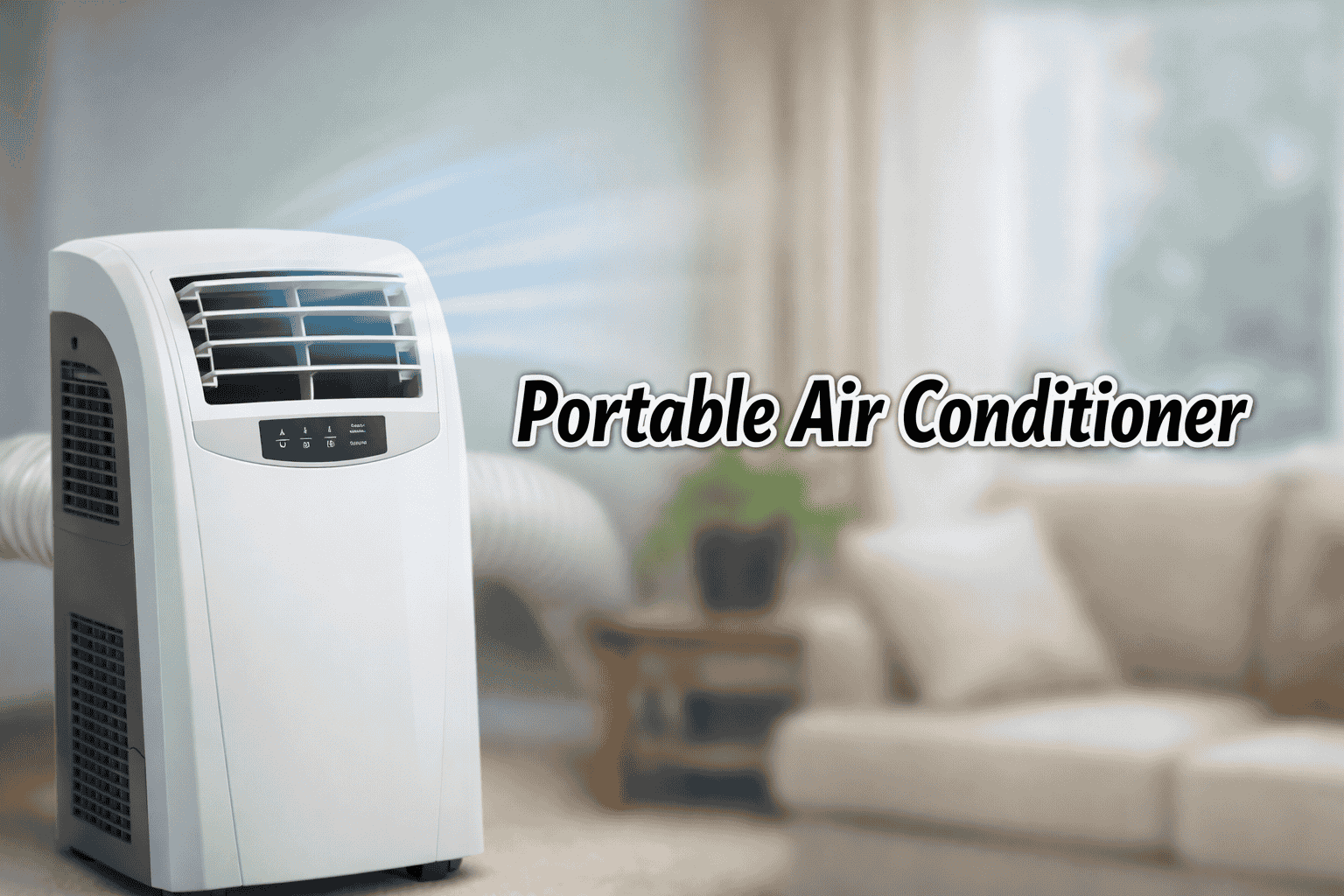
As summer temperatures soar, staying cool becomes a priority for many people. Traditional air conditioning units are effective but often come with high installation costs, limited portability, and permanent fixture issues. This is where the portable air conditioner shines as an excellent alternative. Compact, easy to use, and efficient, a portable air conditioner offers a practical solution for cooling any room in your home or office. Whether you’re living in a rental, have limited space, or need a temporary cooling solution, a portable air conditioner could be just what you need.
Why Choose a Portable Air Conditioner?
Portable air conditioners are becoming increasingly popular due to their convenience and flexibility. Unlike traditional air conditioning systems, which are usually installed and fixed in one location, portable units can be easily moved from room to room. This means you can cool down the space you’re using the most, without the need for complicated setup processes.
For anyone living in an apartment or a rental property, portable air conditioners are an ideal solution since they don’t require permanent installation. All you need is a window for venting hot air and a power outlet to plug the unit into.
How Does a Portable Air Conditioner Work?
The operation of a portable air conditioner is relatively straightforward. These units work by pulling warm air from the room, cooling it down through a refrigerant cycle, and then blowing the cool air back into the room. The warm air is vented outside through an exhaust hose that typically needs to be placed near a window or door.
In terms of efficiency, portable air conditioners can be compared to traditional air conditioners in terms of their cooling ability, but they have the added benefit of being flexible and adaptable to various spaces. Most units come with a hose for the hot air exhaust, and some even have built-in dehumidifiers to make the air feel cooler by removing excess moisture.
Types of Portable Air Conditioners
There are a variety of portable air conditioners available on the market, each with different features and capacities. Here’s a brief breakdown of the most common types:
- Single-Hose Portable Air Conditioners
These are the most common type. They have one exhaust hose that vents hot air outside. Single-hose systems are generally less expensive but may not be as efficient as dual-hose models. Since the system uses air from the room to cool the refrigerant, some of the cool air is used for the exhaust process, which could result in lower cooling performance. - Dual-Hose Portable Air Conditioners
As the name suggests, these models use two hoses: one to pull in outside air for cooling the unit and the other to expel the hot air. Dual-hose systems are generally more energy-efficient and provide better cooling compared to single-hose models. However, they tend to be a bit more expensive. - Evaporative Coolers (Swamp Coolers)
While not technically air conditioners, evaporative coolers are another type of portable cooling unit. They work by using water to cool the air, making them a more environmentally friendly option. However, they are only effective in dry, hot climates and may not work well in humid conditions. - Hybrid Portable Air Conditioners
These units combine the functionality of air conditioning and an air purifier. They usually feature a built-in filtration system to clean the air as it cools. They’re ideal for people with allergies or those who want to maintain a healthier environment.
Benefits of Using a Portable Air Conditioner
Portable air conditioners come with several notable benefits that make them an attractive option for homeowners and renters alike. Here are some of the top advantages:
- Portability
One of the biggest selling points of a portable air conditioner is its portability. Unlike window or split systems, which are fixed in place, portable air conditioners can be easily moved from room to room. This allows you to cool your living room during the day and move it to your bedroom at night. For those with limited space, this flexibility is invaluable. - Cost-Effective
Installation of a traditional air conditioner can be expensive, especially if you’re renting or don’t have the proper infrastructure in place. Portable air conditioners, on the other hand, can be much more affordable. They don’t require professional installation, and you can typically start using them right out of the box. - Energy Efficiency
Portable air conditioners can be energy-efficient when used correctly. Since they cool only the room you’re in, they don’t waste energy by cooling areas of the home that aren’t being used. Some models also have energy-saving features like programmable timers, which can further reduce your energy consumption. - Compact Design
Many portable air conditioners are designed to be compact and space-saving, which is great for those with limited living space. You don’t need a huge unit to achieve effective cooling. Plus, most portable air conditioners come with built-in wheels or handles, making them easy to transport and store. - Ease of Setup
Unlike window or central air conditioning systems, setting up a portable air conditioner is simple. You don’t need to worry about cutting holes in walls or installing complicated ducts. A portable air conditioner typically requires only a window or vent to expel hot air. Many models come with easy-to-install window kits to make setup even easier.
Factors to Consider Before Buying a Portable Air Conditioner
When choosing a portable air conditioner, there are several important factors to consider to ensure you get the right model for your needs:
- Cooling Capacity (BTU)
The cooling capacity of an air conditioner is measured in British Thermal Units (BTUs). A higher BTU rating indicates more cooling power. Choose a model with the appropriate BTU based on the size of the room. For instance, a 10,000-BTU unit is suitable for rooms up to 350 square feet, while a 14,000-BTU unit is ideal for larger rooms. - Noise Level
Some portable air conditioners can be noisy, especially at higher settings. If you plan to use the unit in a bedroom or other quiet space, look for models with a low noise output, usually measured in decibels (dB). A quieter unit is generally more comfortable for sleeping or working. - Energy Efficiency
Look for models that are energy-efficient to save on electricity costs. Some units are certified by energy-saving programs like ENERGY STAR, which can guarantee more efficient performance. - Drainage Options
Portable air conditioners often produce condensation as they cool the air. Depending on the model, you may need to manually empty the water tank, or the unit may come with an auto-drain function. Check whether the drainage system is convenient for your setup. - Additional Features
Consider additional features that may enhance the usability of the air conditioner, such as remote controls, programmable timers, and air purification filters. These features can provide more convenience and improved performance.
Maintaining Your Portable Air Conditioner
To keep your portable air conditioner functioning optimally, regular maintenance is required. Clean the filters regularly to prevent dust and debris from building up, as clogged filters can reduce efficiency. Additionally, ensure that the exhaust hose remains unobstructed to allow proper airflow.
Related article: Here Are Some Common Heating And Cooling Problems With Solutions
Conclusion
A portable air conditioner is an excellent choice for those who need flexibility, cost-effectiveness, and convenience. With its simple setup, portability, and energy-saving features, it’s no wonder that portable ACs are gaining popularity. Whether you’re dealing with a scorching summer or need a temporary solution for cooling, a portable air conditioner offers a reliable, space-saving way to keep your environment comfortable.