


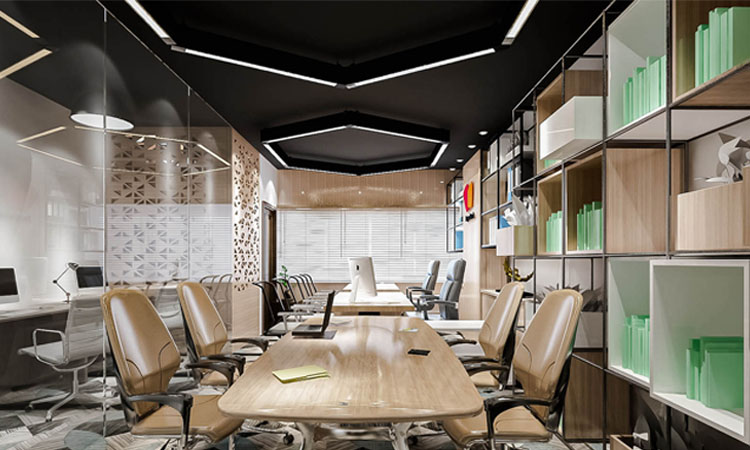
Modern office interior design focuses on simplicity, clean lines, and functional layouts to create a workspace that is free of clutter and distractions. This approach prioritizes efficiency, promoting a sense of calm and clarity that can enhance employee focus and productivity. With fewer unnecessary elements, minimalist design allows for an organized, sleek office environment that fosters a peaceful atmosphere while emphasizing the essentials. This article explores the principles of minimalist office interior design, the benefits it offers, and practical ways to implement it in the workplace.
Principles of Minimalist Office Design
Minimalist office interior design revolves around “less is more,” where every design element serves a purpose. The key principles of this design philosophy include:
Simplicity: minimalist design removes excess items, focusing only on the essentials. This includes using simple furniture and décor, neutral color palettes, and clean lines to create an uncluttered and efficient workspace.
Functional Design: In minimalist offices, every element must have a clear function. Desks, storage, and seating are chosen not only for their aesthetic appeal but also for their practical use, ensuring that the office is both beautiful and highly functional.
Clutter-Free Environment: One of the hallmarks of minimalist design is the absence of clutter. Minimalist offices often use concealed storage solutions, such as built-in cabinets or drawers, to keep workspaces tidy. This helps reduce visual distractions and allows employees to focus on their work.
Neutral Colors: Minimalist design typically features a neutral color palette, with shades of white, gray, beige, and black being dominant. These colors create a clean and calming environment that is free of visual noise. Accents of natural tones like wood or greenery can add warmth to the space.
Clean Lines and Open Spaces: minimalist office design emphasizes straight lines and open spaces to create a sense of order and openness. Furniture and décor are streamlined and kept to a minimum to avoid a cluttered look.
Quality Over Quantity: In a minimalist office, the focus is on investing in high-quality, durable furniture and design elements rather than filling the space with numerous items. Quality pieces are chosen for their functionality and longevity.
Benefits of Minimalist Office Design
Minimalist office design offers several advantages that can positively impact both employees and the overall work environment:
Increased Productivity: A clutter-free, well-organized office allows employees to focus on their tasks without distractions. Minimalist design eliminates unnecessary elements, helping employees concentrate better and complete tasks more efficiently.
Reduced stress: minimalist design creates a calm and peaceful atmosphere, which can help reduce stress levels among employees. A clean, open environment promotes mental clarity and relaxation, making it easier for employees to stay focused and feel less overwhelmed.
Better Organization: With fewer items in the office, it’s easier to maintain an organized workspace. Built-in storage solutions and simple layouts make it easy to keep the office neat, which can improve overall efficiency.
Enhanced Creativity: Minimalist spaces encourage creative thinking by providing a blank canvas for employees to focus on their ideas. Employees can think more clearly without visual clutter or distractions and generate new ideas more effectively.
Improved Employee Well-being: The clean, serene environment of a minimalist office can contribute to better mental and physical well-being. Employees are likely to feel more relaxed and comfortable in an uncluttered space, which can improve their overall job satisfaction.
Efficient Use of Space: Minimalist design maximizes the use of available space by prioritizing functionality. Every element in the office is chosen for its purpose, which means even smaller offices can feel open and spacious.
Practical Tips for Implementing Minimalist Office Design
If you’re looking to transform your office into a minimalist space, here are some practical steps you can take:
Declutter the Space
Start by removing unnecessary items and furniture from the office. Evaluate each item based on its functionality and whether it adds value to the space. Eliminate anything that doesn’t serve a clear purpose or contribute to the overall aesthetic. This will instantly create a cleaner and more open environment.
Choose Functional, High-Quality Furniture
Invest in sleek, modern furniture that is both functional and visually appealing. Opt for simple, streamlined designs that fit within the minimalist aesthetic. Quality is more important than quantity in minimalist design, so focus on selecting a few key pieces that will last and serve multiple functions.
Incorporate Neutral Colors
Stick to a neutral color palette when designing your minimalist office. Whites, grays, and soft blues should dominate the space. You can add subtle pops of color through natural elements like wood or greenery, which help add warmth without overwhelming the space.
Maximize Natural Light
Natural light plays a significant role in minimalist office design. Remove heavy curtains or blinds and keep windows unobstructed to allow as much natural light as possible into the space. This creates a bright, airy atmosphere that complements the clean and simple aesthetic.
Use Built-In Storage Solutions
One of the challenges of minimalist design is keeping the space clutter-free. Invest in built-in storage solutions, such as cabinets, shelves, and drawers that allow you to store office supplies and personal items out of sight. This helps maintain the clean, open look that defines minimalist design.
Limit Décor
In minimalist design, less is more when it comes to décor. Rather than filling the office with decorations, choose one or two statement pieces that align with the overall aesthetic. For example, a simple piece of artwork or a well-placed plant can enhance the space without overwhelming it.
Incorporate Greenery
While minimalist design often avoids excessive décor, adding a few plants can bring life to the office. Greenery introduces a touch of nature into the space and provides a subtle contrast to the neutral color palette. Just make sure to keep the plants simple and low-maintenance to maintain the minimalist feel.
Create Open, Unobstructed Spaces
Avoid overcrowding the office with furniture and ensure there is plenty of open space for movement. Minimalist design prioritizes spaciousness and open layouts, so position furniture in a way that encourages easy navigation around the office without obstacles.
Minimalist Office Design on a Budget
Implementing minimalist office design doesn’t have to be expensive. With a few strategic choices, you can create a simple, functional workspace on a budget:
Repurpose Existing Furniture: Before buying new furniture, consider whether your existing pieces can be repurposed or modified to fit within a minimalist design. A fresh coat of paint or reupholstering can give old furniture a sleek, modern look.
DIY Decluttering Solutions: Create your own storage solutions by organizing and simplifying your current workspace. Use boxes, trays, or labeled containers to keep items neatly stored and out of sight.
Choose Budget-Friendly Décor: You don’t need to invest in expensive artwork to enhance your minimalist office. A single, affordable piece of artwork or a simple framed print can serve as a focal point in the space.
Use Natural Elements: Incorporate natural materials like wood and stone into your office design. These materials add warmth and texture to the space while maintaining the simplicity of minimalist design.
Conclusion
Minimalist office design is an effective way to create a calm, organized, and productive work environment. By focusing on simplicity, functionality, and quality, businesses can design workspaces that reduce distractions, increase productivity, and enhance employee well-being. Whether through decluttering, using neutral colors, or incorporating natural light, adopting a minimalist approach can lead to a more efficient and pleasant office environment. As companies continue to prioritize employee well-being and productivity, minimalist office design is becoming a popular choice for modern workspaces.


