




Due to the flexibility of workspaces and the constantly decreasing size of technologies, mini PCs have become an object of serious consideration. These weight-free sized computers provide cost-effective performance which is a fraction of the size of the conventional desktops. Whether at home offices or media centers or in the business settings, mini PCs are being regarded as an effective and viable alternative.
What is a mini PC and how does it work?
A mini PC is a complete computer that is manufactured in a small size. Although it is a small handheld device, it has the necessary elements that include a processor, memory, storage, and various connectivity ports. The vast majority of them do allow the use of external monitors and keyboards, mice and peripherals as a normal desktop.
Modern mini PCs can do all the things that an average person might need to do daily like web browsing, document editing, video streaming, light creative or creative workloads, due to the efficiency of the processor and thermal design.
The Geekom mini PC is one such example of this type and shows the trend in which small systems are being developed, so that they are smaller, performance-wise, and consume less energy without any extravagant complexity.
Pivotal Advantages of using a Mini PC.
Space is not the only thing about mini PCs. They have a number of benefits that are practical and attractive to both individuals and organizations.
Space efficiency
Mini PCs are small and can be placed on the desk, a monitor or in the entertainment units. This does make them suitable in small apartments, shared offices and bare bones arrangements.
Energy efficiency
The mini PCs require much less power as compared to normal desktops. This will help save electricity and heat production and this comes in handy where systems run through long durations.
Quiet operation
There are numerous mini PCs that are equipped with low noise cooling systems. There are models that are almost silent and therefore can be used in bedrooms, offices and study rooms.
Versatile use cases
The mini PCs may be used as computers in a home office, media centres, point of sale machines or as a light weight development workstation.
Performance Expectations: What Are the Mini PC Capabilities?
Although mini PCs cannot substitute serious gaming computers or sophisticated video production workstations, their speed is good enough to suit the needs of the majority of users. Typical tasks include:
Remote working and office applications.
Web platforms and cloud computing technology.
Video playback and media streaming 4K.
Photo editing and coding of light.
Multitasking in use of various applications.
Most modern mini PCs have expandable RAM and high-speed SSD storage and can be customized to the performance required by the user.
Connection and Expansion Opportunities.
Although mini PCs are small, a large variety of ports may be included. Typical ones are USB-A, USB-C, HDMI, DisplayPort, Ethernet and audio jacks. Other models are also able to support Wi-Fi 6 and Bluetooth in wireless accessories.
Such connectivity renders mini PCs compatible in a multi-monitor environment and workflows that are heavy in peripherals without having to use large docking stations.
Choosing the Right Mini PC
Buyers ought to make some considerations at the time of choosing a mini PC, such as the type of processor, the amount of memory, the speed of storage and the usage. The requirements of a system will not be the same as a system that is employed in professional or technical work.
The thermal design and the quality of a build is important as well, as it influences the long-term stability and the ability to perform well.
Image Usage Recommendation (Product-Relevant)
The publishers are supposed to use images like: in order to make the article visually consistent with the product.
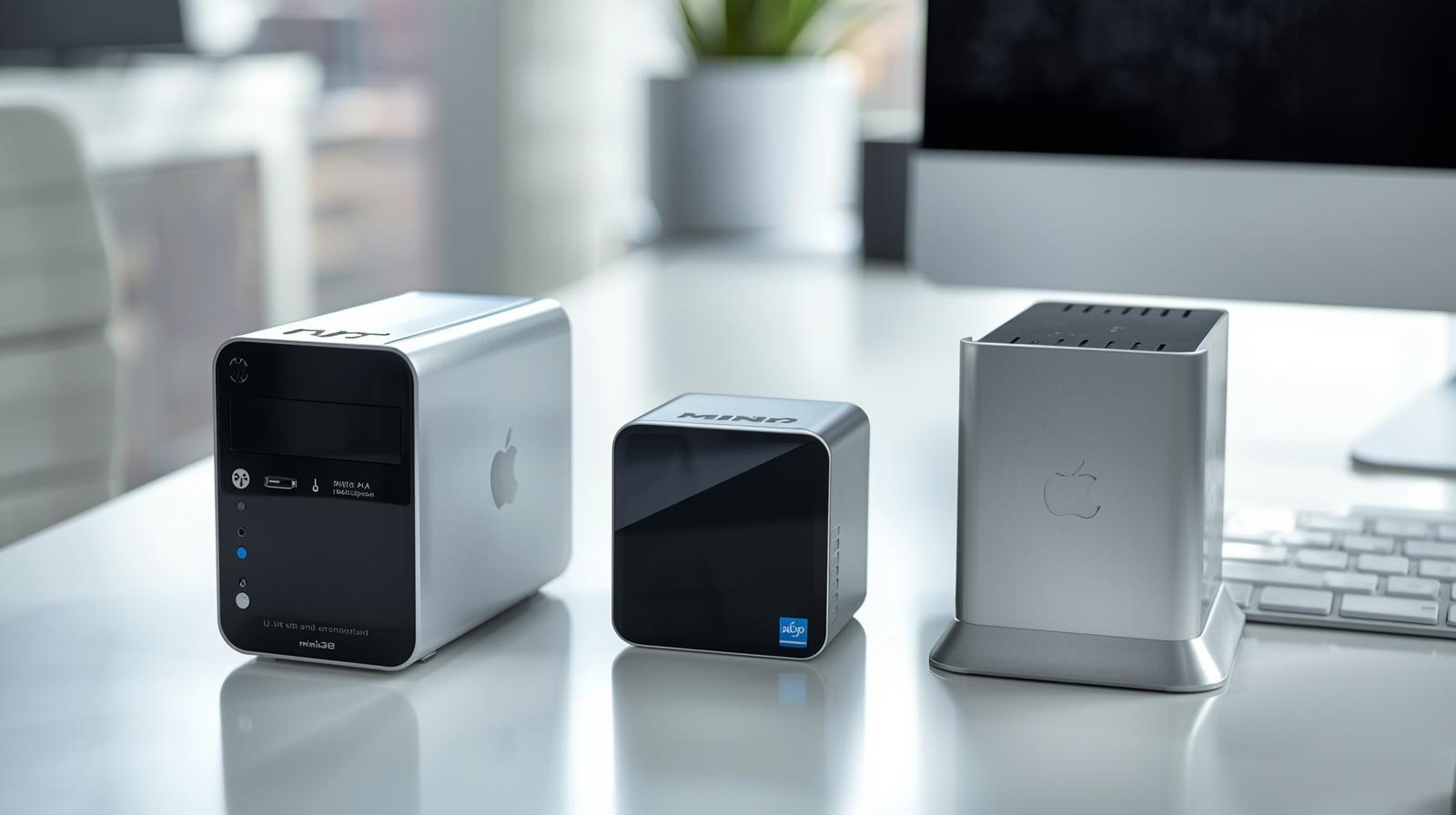
The mini PC on a table or stuck behind a monitor.
Ports and small size close ups.
A home office or work station set-up with the mini PC.
The images need to be obtained either on the official product site or original manufacturer resources to be accurate and compliant.
Final Thoughts
Mini PCs have advanced into competent and efficient systems that are able to meet contemporary computing demands. Their small size, low energy usage, and realistic performance make them a more attractive choice to users who do not need a lot of functionality but will accept simplicity. With the current advancement in technology, mini PCs will probably become even more popular as a personal and professional device.
I