




As interest in renewable energy continues to rise, flexible solar panels Australia residents are becoming an increasingly common topic of discussion. These lightweight and adaptable panels are changing how people think about solar power, especially in situations where traditional rigid panels are not practical. In Australia’s varied climate and landscape, flexible solar panels offer a different way to generate clean energy with fewer structural limitations.
At the start of this conversation, it’s worth noting that BougeRV is one of many names people may encounter when researching solar solutions, but this article focuses on the broader concept rather than any specific company or product.
What Are Flexible Solar Panels?
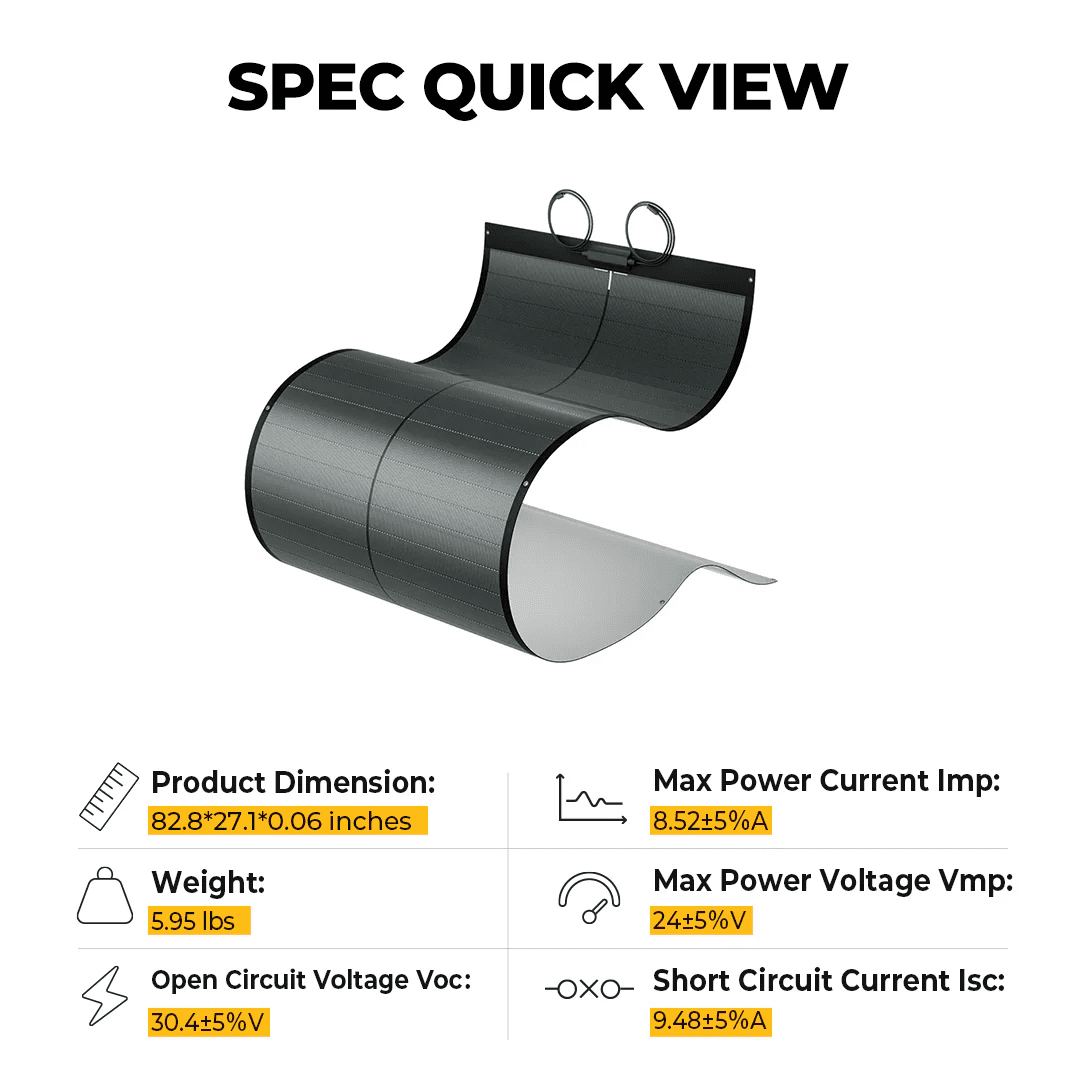
Flexible solar panels are designed to bend and conform to curved or uneven surfaces. Unlike conventional rigid panels, which are mounted on fixed frames, flexible panels are made using thin layers of photovoltaic material. This construction allows them to flex slightly without cracking or losing functionality.
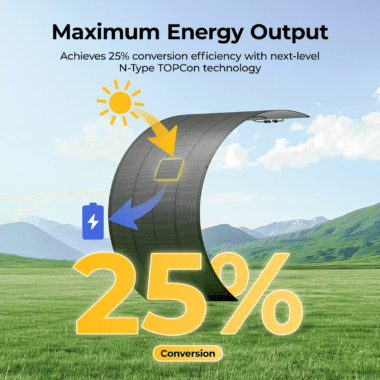
They are usually thinner and lighter than traditional panels. In practical terms, this means they can be installed in places where weight, shape, or space would otherwise be a problem. While they may not always match the highest output of rigid systems, their versatility opens up many new possibilities for solar use.
Why Flexible Solar Panels Matter in Australia
Australia has one of the highest rates of solar adoption in the world. Abundant sunlight, rising energy costs, and a strong push toward sustainability have all played a role. Flexible solar panels fit well into this context because they address specific challenges faced by Australian households and travellers.
Many Australian homes, vehicles, and outdoor setups are not designed with standard solar installations in mind. Curved roofs, lightweight structures, and mobile living spaces are common. Flexible solar panels allow people to take advantage of solar energy without major structural changes.
In remote and off-grid areas, which are common across the country, flexible panels can also provide a practical energy source. Their portability and ease of installation make them suitable for locations where traditional infrastructure is limited or unavailable.
Common Uses of Flexible Solar Panels
One of the strongest reasons flexible solar panels are gaining attention is their wide range of uses. Their adaptability makes them suitable for situations that rigid panels simply cannot handle.
Mobile living and travel
Flexible solar panels are often used on caravans, campervans, and motorhomes. These vehicles usually have curved roofs and strict weight limits. A lighter, bendable panel fits more naturally and helps supply power while travelling or camping.
Marine environments
Boats and yachts benefit from flexible panels because they can be mounted on curved decks without drilling heavy frames. The lower profile also reduces wind resistance, which is important in marine conditions.
Temporary and portable setups
For camping, outdoor work, or temporary shelters, flexible panels can be rolled or stored more easily. This makes them useful for people who need power without a permanent installation.
Unusual or lightweight structures
Sheds, tents, and lightweight roofs may not support rigid panels. Flexible solar panels can be attached with minimal structural impact, making solar energy more accessible in these cases.
The Importance of Flexibility in Solar Technology
Flexibility is not just about physical movement. It also represents a shift in how solar energy can be integrated into everyday life. Traditional systems often require long-term planning, professional installation, and significant upfront investment. Flexible solar panels offer a more approachable entry point for people who want to experiment with solar power or meet smaller energy needs.
This accessibility matters in encouraging wider adoption of renewable energy. When people can start small and adapt systems over time, they are more likely to engage with solar solutions. Flexible panels help bridge the gap between curiosity and commitment.
Environmental and Practical Benefits
From an environmental perspective, flexible solar panels contribute to reducing reliance on fossil fuels. While their individual output may be lower than that of large rooftop systems, their collective impact can still be meaningful when used across many applications.
Practically, their lightweight design reduces transportation and installation challenges. Less material and simpler mounting methods can also translate into lower overall environmental impact during production and setup.
In Australia, where extreme weather conditions are common, flexibility can also be an advantage. Panels that can absorb slight movement or vibration may handle certain conditions better than rigid alternatives, depending on how and where they are installed.
Considerations Before Choosing Flexible Solar Panels
Despite their advantages, flexible solar panels are not a universal solution. It’s important to consider energy needs, available space, and long-term goals. They are often best suited for supplemental power rather than full household energy replacement.
Durability and efficiency can vary depending on materials and usage conditions. Exposure to heat, salt, and constant movement can affect performance over time. Understanding these factors helps users set realistic expectations and use panels in ways that maximise their lifespan.
Looking Ahead
As solar technology continues to evolve, flexible solar panels are likely to improve in efficiency and durability. In a country like Australia, where innovation and environmental awareness go hand in hand, their role is expected to grow.
Whether used for travel, remote living, or unconventional structures, flexible solar panels offer an alternative approach to clean energy. Their importance lies not in replacing traditional systems, but in expanding the ways solar power can be used. By making renewable energy more adaptable, they help more people participate in the shift toward a sustainable future.