





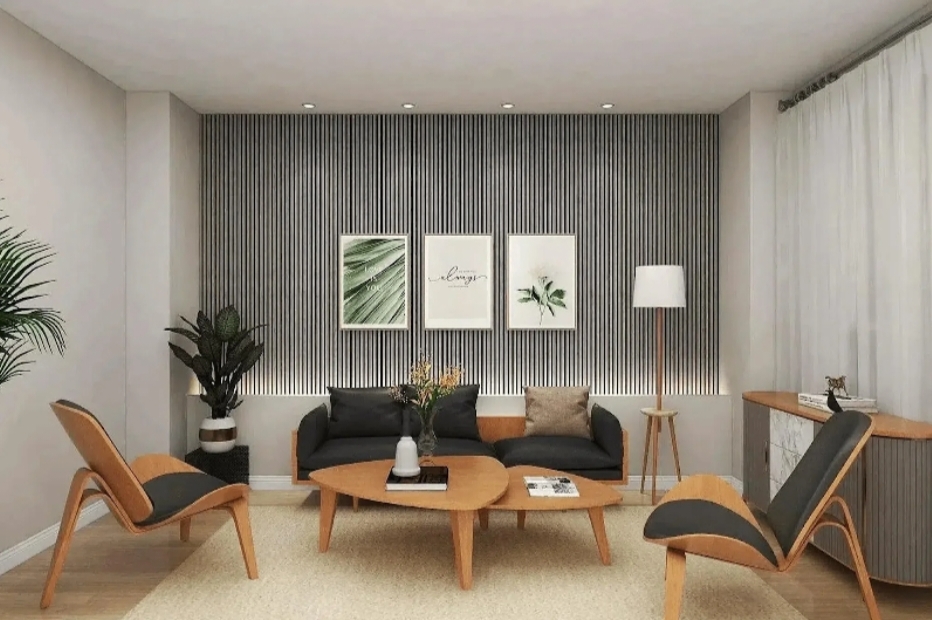
Minimalist homes are known for their clean lines, open layouts, and calm visual appeal. This design approach focuses on simplicity, allowing space, light, and materials to define the environment. While minimalist interiors create a peaceful and modern atmosphere, they can also introduce acoustic challenges.
Hard surfaces such as plaster, timber, concrete, and glass reflect sound instead of absorbing it. This can make rooms feel echoey or harsh, reducing comfort. Installing acoustic panels Australia homeowners trust helps solve this problem while maintaining the sleek, uncluttered look that defines minimalist design.
For guidance on selecting the right panels, CLADsmart provides a detailed guide covering panel types, placement, and soundproofing strategies for Australian homes and offices.
Why Minimalist Homes Need Acoustic Solutions
Minimalist interiors often include fewer soft furnishings. While this improves visual clarity, it reduces natural sound absorption.
Sound Reflection Increases in Open Spaces
Open-plan layouts allow sound to travel freely across rooms. Without barriers or soft surfaces, sound waves bounce between walls, floors, and ceilings. This creates echo and amplifies noise.
Rooms may look calm, but the acoustic experience can feel uncomfortable.
Hard Materials Amplify Sound
Minimalist design commonly uses materials such as:
- Concrete
- Glass
- Timber flooring
- Stone
- Plasterboard
These materials reflect sound efficiently. Without proper acoustic treatment, sound clarity decreases and background noise becomes more noticeable.
Acoustic panels for homes absorb excess sound, restoring balance without compromising design.
How Acoustic Panels Align with Minimalist Principles
Acoustic panels support minimalist design because they combine function and simplicity. They improve comfort while preserving clean visual lines.
Clean and Simple Appearance
Modern decorative acoustic panels feature streamlined designs that blend with walls and ceilings. Many panels use neutral tones and subtle textures that complement minimalist interiors.
This allows panels to improve sound without adding visual clutter.
Functional Without Adding Bulk
Minimalist design values efficiency. Every element should serve a purpose. Acoustic panels improve sound quality while acting as part of the interior structure.
They eliminate the need for excessive furniture or decorative items to control sound.
Seamless Integration with Architecture
Panels can be installed flush against walls or ceilings. This creates a smooth, continuous surface that enhances architectural clarity.
Integrated panels maintain the simplicity that minimalist homes aim to achieve.
Types of Acoustic Panels That Suit Minimalist Interiors
Several panel types work well in minimalist homes. Each offers unique visual and acoustic benefits.
- Timber Acoustic Panels
Timber acoustic panels are popular in Australian homes. They combine natural warmth with modern design.
Timber slats create clean vertical or horizontal lines. These patterns complement minimalist architecture while improving sound absorption.
Common finishes include:
- Oak
- Walnut
- Light timber tones
- Natural wood finishes
These finishes match neutral color palettes commonly used in minimalist interiors.
- Fabric-Wrapped Panels
Fabric panels provide a soft texture while maintaining a clean appearance. Neutral fabric colors such as grey, beige, and white blend easily into minimalist spaces.
These panels work well in living rooms, bedrooms, and home offices.
- PET Felt Panels
PET felt panels are made from recycled materials. They offer excellent acoustic performance while supporting sustainable building practices.
Their smooth surface and simple shapes align with minimalist design principles.
- Flush-Mounted Panels
Flush-mounted panels integrate directly into walls or ceilings. This creates a smooth and uninterrupted surface.
This option works well in homes that prioritize architectural precision.
Materials That Complement Minimalist Home Design
Material selection plays a major role in achieving minimalist aesthetics.
Natural Timber Finishes
Timber adds warmth without overwhelming the space. It creates contrast while maintaining simplicity.
Light timber tones work especially well in Australian minimalist homes, where natural materials are often preferred.
Neutral Colors and Textures
Minimalist interiors rely on calm color palettes. Neutral tones allow acoustic panels to blend seamlessly.
Common colors include:
- White
- Grey
- Beige
- Soft earth tones
These colors enhance visual calmness.
Sustainable Materials
Sustainability is important in Australian residential construction. Many modern acoustic panels use recycled PET materials or responsibly sourced timber.
This supports environmentally conscious building practices.
Choosing the Right Acoustic Panels for Minimalist Homes
Selecting the right panels requires balancing function and design.
Consider these factors:
- Material compatibility with existing finishes
- Color alignment with minimalist palette
- Panel thickness and acoustic rating
- Installation method
- Sustainability and durability
Timber and PET felt panels are especially popular in Australia due to their performance and design flexibility.
High-quality acoustic panel Australia suppliers offer products that enhance both acoustic comfort and architectural beauty.
Acoustic panels play an essential role in minimalist home design. They improve sound quality while preserving the simplicity and elegance that define modern interiors. With the right materials, placement, and design approach, acoustic wall panels become a seamless part of the architecture.
Minimalist homes benefit from environments that feel calm, balanced, and comfortable. Acoustic panels help achieve this balance, supporting both visual clarity and acoustic performance in modern Australian living spaces.


