


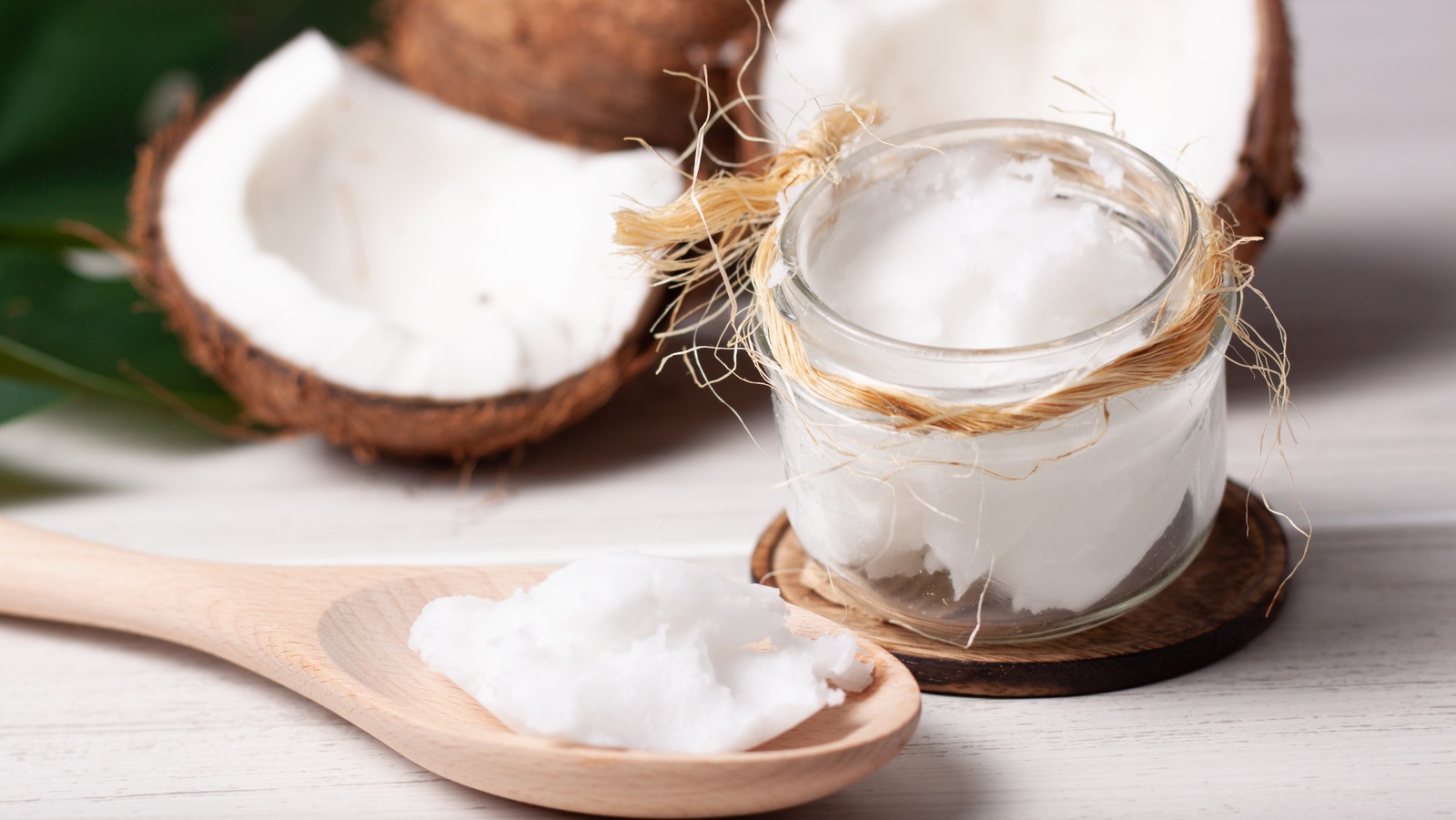
Coconut oil has garnered significant attention in recent years, touted as a health food with numerous benefits, including the potential to lower cholesterol levels. However, the scientific consensus on this claim is far from settled. This comprehensive exploration delves into the complexities of coconut oil, its fatty acid composition, and its impact on cholesterol levels.
Understanding Cholesterol
Before diving into the coconut oil debate, it’s essential to grasp the basics of cholesterol. This waxy, fat-like substance plays a crucial role in the body, aiding in the production of hormones, cell membranes, and vitamin D. There are two primary types:
- Low-density lipoprotein (LDL): Often referred to as “bad cholesterol,” high LDL levels can contribute to plaque buildup in arteries, increasing the risk of heart disease and stroke.
- High-density lipoprotein (HDL): Known as “good cholesterol,” HDL helps remove LDL from the bloodstream, reducing the risk of heart disease.
Coconut Oil: A Fatty Acid Profile
Coconut oil is primarily composed of saturated fats, a type of fat that has been linked to elevated LDL cholesterol levels. However, the specific type of saturated fats in coconut oil sets it apart. These are primarily medium-chain triglycerides (MCTs), which are absorbed and metabolized differently than long-chain triglycerides found in most other oils.
The MCT Advantage
MCTs have been shown to have several potential health benefits, including:
- Increased energy expenditure: MCTs may promote fat burning and weight loss.
- Improved cognitive function: Some studies suggest that MCTs can enhance brain function.
- Reduced appetite: MCTs may help reduce hunger and calorie intake.
While these benefits are promising, their impact on cholesterol levels remains a subject of debate.
Coconut Oil and Cholesterol: The Research
Numerous studies have investigated the relationship between coconut oil consumption and cholesterol levels. The findings have been mixed:
- Some studies have shown that coconut oil can raise both LDL and HDL cholesterol levels.
- Other studies have reported a neutral or even beneficial effect on cholesterol, with coconut oil potentially lowering LDL cholesterol while raising HDL cholesterol.
- A meta-analysis published in the Journal of the American Heart Association found no significant difference in LDL cholesterol levels between those who consumed coconut oil and those who used other vegetable oils.
Factors Affecting Cholesterol Levels
Several factors can influence how coconut oil affects cholesterol levels, including:
- Individual variations: People respond differently to dietary changes.
- Overall diet: The context of your overall diet is crucial. Consuming coconut oil in moderation as part of a balanced diet may yield different results than using it excessively.
- Health status: Existing health conditions can impact how your body metabolizes fats.
The Consensus: A Balanced Approach
While the research on coconut oil and cholesterol is ongoing, the current consensus is that it’s best to consume coconut oil in moderation as part of a healthy diet. Excessive intake of saturated fats, including those from coconut oil, can contribute to elevated LDL cholesterol levels.
Key recommendations:
- Limit saturated fat intake: Aim to keep saturated fat intake below 10% of your daily calorie intake.
- Choose unsaturated fats: Opt for healthier oils like olive oil, avocado oil, and canola oil, which are rich in unsaturated fats.
- Maintain a balanced diet: Prioritize whole grains, fruits, vegetables, and lean proteins.
- Regular exercise: Engage in physical activity to support heart health.
- Consult a healthcare professional: If you have concerns about your cholesterol levels, consult with a doctor or registered dietitian.
In conclusion, while coconut oil offers potential health benefits, its impact on cholesterol levels is complex and influenced by various factors. A balanced approach, incorporating coconut oil in moderation and focusing on overall dietary health, is likely the most prudent strategy for maintaining optimal cholesterol levels.