


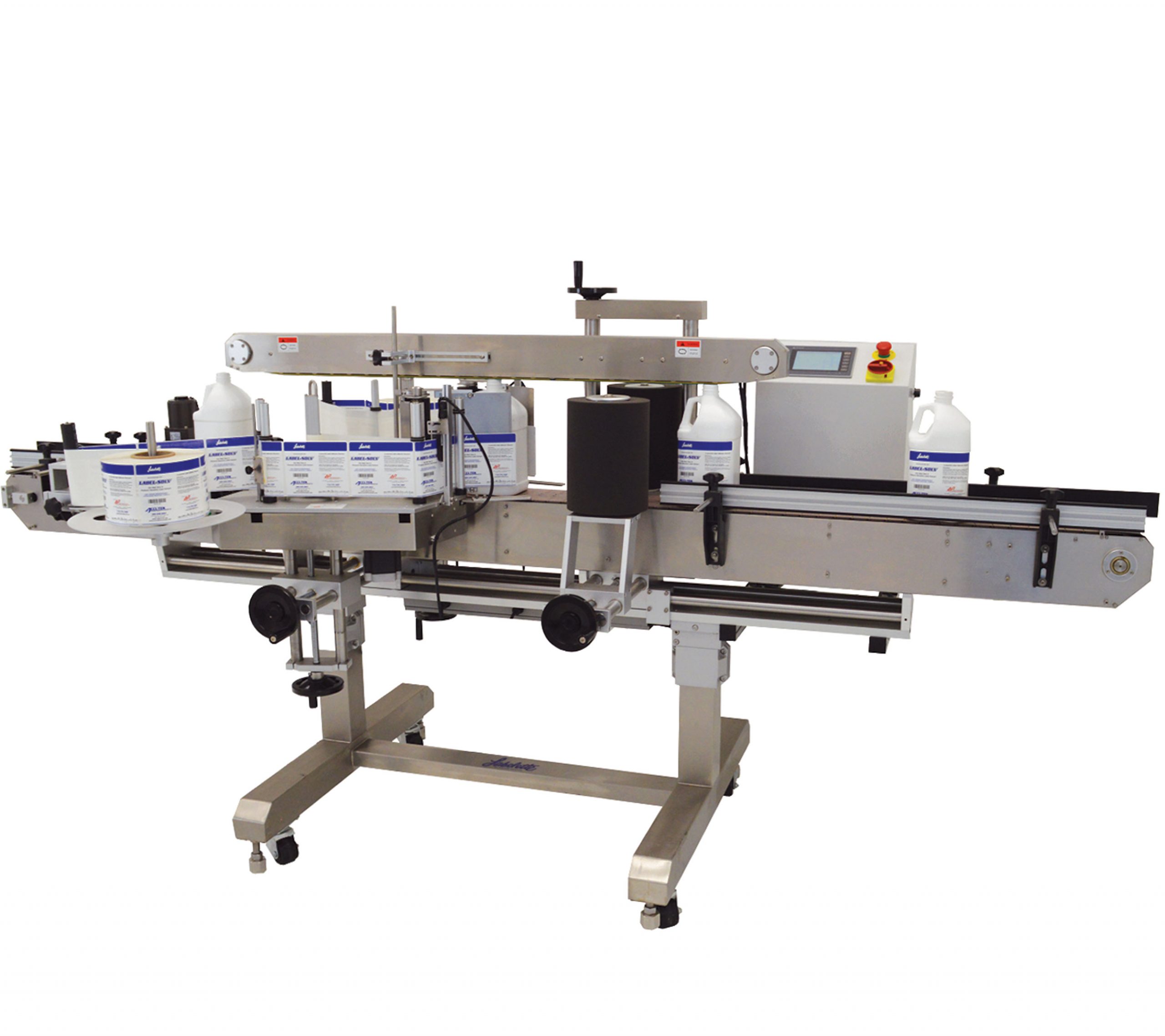
Choosing the right automatic labeling machine for your business can significantly enhance your production efficiency and product quality. With a plethora of options available, it’s essential to understand the key factors that will influence your decision. This guide walks you through the steps to select the perfect automatic labeling machine for your needs.
1. Assess Your Labeling Requirements
The first step in choosing an automatic labeling machine is to assess your specific labeling needs. Consider the following factors:
- Product Type and Size: Identify the types of products you need to label, including their shapes and sizes. This will determine the type of labeling machine you require.
- Label Type: Determine the types of labels you will use, such as pressure-sensitive, shrink sleeves, or wrap-around labels.
- Label Placement: Decide where the labels will be placed on the product—front, back, top, or bottom.
- Production Volume: Estimate the volume of products you need to label per hour or day. This will help you choose a machine with the appropriate speed and capacity.
2. Define Your Budget
Automatic labeling machines come in various price ranges. Define your budget to narrow down your options. Keep in mind that while the initial investment might be substantial, the long-term benefits in terms of efficiency and cost savings can be significant.
3. Evaluate Machine Speed and Accuracy
Speed and accuracy are critical factors in choosing an automatic labeling machine. Look for machines that offer high-speed labeling without compromising on accuracy. Accurate label placement ensures compliance with industry regulations and enhances your product’s appearance.
4. Consider Machine Versatility
A versatile labeling machine can handle different types of products and labels, making it a valuable asset for businesses with diverse product lines. Choose a machine that can be easily adjusted to accommodate various sizes and shapes of products and labels.
5. Check for Ease of Use and Maintenance
User-friendly interfaces and easy maintenance are essential for smooth operation. Look for machines with intuitive controls, touchscreen interfaces, and features like quick-change labeling heads and easy access for maintenance. This reduces downtime and ensures that your production line runs efficiently.
6. Look for Integration Capabilities
If you have an existing production line, ensure that the labeling machine can integrate seamlessly with your current equipment. Compatibility with your existing systems can save time and reduce installation costs.
7. Prioritize Quality and Durability
Investing in a high-quality, durable machine is crucial for long-term success. Look for machines made from robust materials and backed by reliable manufacturers. Read reviews and ask for recommendations to ensure you choose a machine that will stand the test of time.
8. Consider After-Sales Support and Training
Reliable after-sales support and training are essential for the successful implementation of your automatic labeling machine. Choose a supplier that offers comprehensive support, including installation, training, and ongoing maintenance services.
9. Evaluate the Total Cost of Ownership
Consider the total cost of ownership, which includes the initial purchase price, maintenance costs, and operational expenses. A machine with a higher upfront cost but lower maintenance and operational expenses might be more cost-effective in the long run.
10. Request Demonstrations and Trials
Before making a final decision, request demonstrations and trials of the machines you are considering. This will allow you to see the machine in action, assess its performance, and ensure it meets your specific requirements.
Top 10 Benefits of Using Automatic Labeling Machines in Manufacturing
Automatic labeling machines have become an integral part of modern manufacturing processes. Here are the top 10 benefits of using these machines in your production line:
1. Increased Production Efficiency
Automatic labeling machines can label products at a much faster rate than manual labeling, significantly increasing production efficiency. This allows manufacturers to meet high production demands and reduce bottlenecks.
2. Enhanced Labeling Accuracy
These machines ensure precise label placement, reducing errors and ensuring consistency in product presentation. Accurate labeling is crucial for regulatory compliance and maintaining brand integrity.
3. Cost Savings
By automating the labeling process, manufacturers can reduce labor costs and minimize labeling errors, leading to significant cost savings. The increased speed and efficiency also mean that more products can be labeled in less time.
4. Versatility in Labeling
Automatic labeling machines can handle various label types and sizes, making them suitable for a wide range of products. This versatility is particularly beneficial for businesses with diverse product lines.
5. Reduced Downtime
Modern labeling machines are designed for minimal maintenance and quick changeovers, reducing downtime and ensuring that production lines run smoothly. Features like self-diagnosis and easy-to-replace parts further enhance reliability.
6. Improved Product Presentation
Consistent and accurate labeling enhances the overall appearance of products, which is vital for brand perception and consumer trust. High-quality labels applied precisely contribute to a professional and attractive product presentation.
7. Enhanced Compliance with Regulations
Accurate labeling ensures compliance with industry regulations and standards, which is particularly important in industries like food and beverage, pharmaceuticals, and cosmetics. Automatic labeling machines help in meeting these stringent requirements.
8. Scalability
As your business grows, automatic labeling machines can easily scale up to meet increased production demands. This scalability ensures that your labeling process remains efficient and effective, even as production volumes rise.
9. Integration with Production Lines
Automatic labeling machines can integrate seamlessly with existing production lines, enhancing overall workflow efficiency. This integration allows for real-time monitoring and optimization of the labeling process.
10. Sustainable Labeling Solutions
Many modern labeling machines support eco-friendly labeling solutions, such as the use of biodegradable labels and recyclable materials. This helps businesses reduce their environmental footprint and appeal to eco-conscious consumers.
By understanding these benefits, manufacturers can make informed decisions about incorporating automatic labeling machines into their production processes, ultimately enhancing efficiency, accuracy, and overall product quality.
Conclusion
Automatic labeling machines are transformative tools in the manufacturing sector, offering unparalleled efficiency, accuracy, and cost savings. By automating the labeling process, businesses can enhance their production speed, reduce errors, and maintain consistent product presentation, which is crucial for regulatory compliance and brand integrity. The versatility of these machines allows them to handle various product types and label designs, making them suitable for a wide range of industries, including food and beverage, pharmaceuticals, cosmetics, and logistics.
Incorporating automatic labeling machines into your manufacturing process is not just a step towards modernization but a strategic move towards achieving higher productivity, improved product quality, and long-term cost savings. Embrace this technology to stay competitive in today’s fast-paced market and prepare your business for future advancements.